Home › Commercial Concrete Repair and Restoration
Protect your facility and reduce liability with commercial concrete repair in Sugar Land, TX. We repair warehouse slabs, loading docks, sidewalks, and parking areas. Our restoration services address spalling, joint damage, and trip hazards while minimizing disruption to your operations.
Superior Concrete Sugar Land provides professional commercial concrete repair throughout Sugar Land, TX, Texas and the surrounding area. Our licensed, insured crew delivers safe, clean, on-time work with a free estimate before anything begins. Call (346) 642-5160 or request your free quote.
Commercial Concrete Repair for Sugar Land Businesses
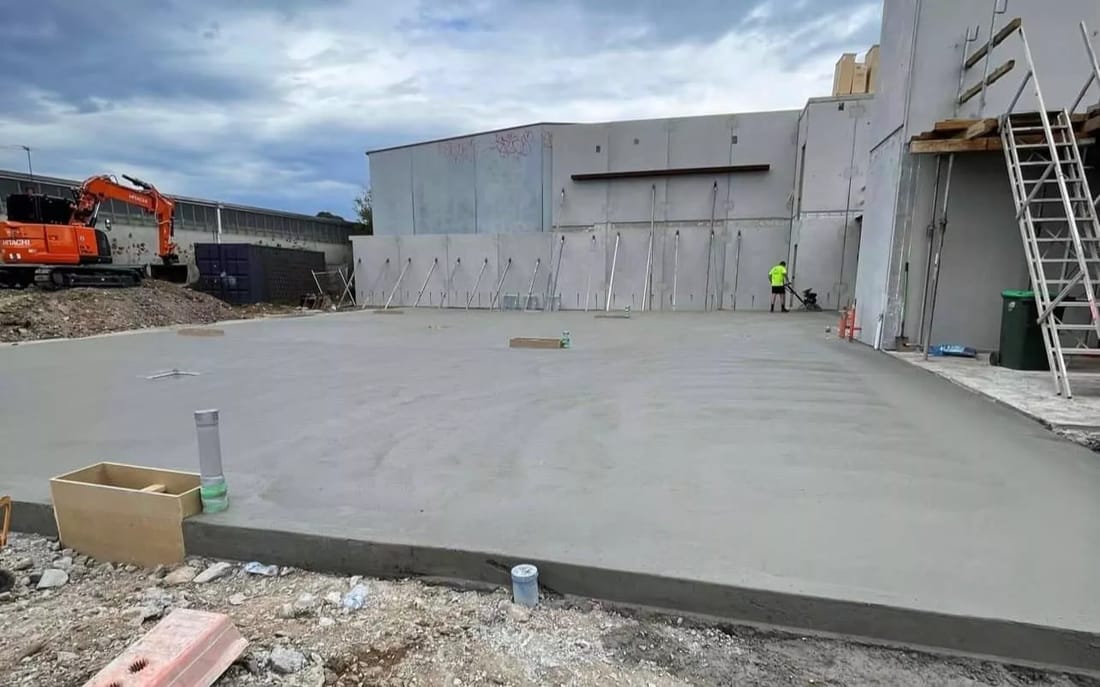
If your commercial property in Sugar Land is showing cracked, settled, or spalling concrete, you are not alone. Our clay-heavy Gulf Coast soils, strong sun, and heavy rain can be tough on parking lots, loading docks, warehouse floors, and sidewalks. Superior Concrete Sugar Land focuses on commercial concrete repair and restoration, so we understand how to fix these issues while keeping your doors open and your site safe.
We regularly help shopping centers with trip hazards in walkways, industrial clients with damaged slab floors at forklift aisles, and office parks with failing curb and gutter systems that no longer drain correctly. Instead of pushing a full replacement when it is not needed, we inspect, test, and then match the repair method to the actual problem, the expected load, and your maintenance budget.
Every project starts with a site walk, moisture and movement checks, and a conversation about how you use the space. For example, a restaurant delivery area that gets constant truck traffic needs a different repair strategy than a light-traffic employee patio. By looking at the original concrete thickness, reinforcement, and drainage patterns, Superior Concrete Sugar Land can recommend a repair plan that is both realistic and durable in our local conditions.
How We Diagnose and Plan Your Concrete Repair
Commercial concrete repair works best when it is based on clear diagnostics, not guesswork. When Superior Concrete Sugar Land evaluates your property, we look at several technical factors:
• Surface condition: We note cracking patterns (map cracking, expansion cracks, random structural cracks), spalling, scaling, and any exposed rebar.
• Subgrade and movement: We look for signs of soil movement that are common in Sugar Land, such as slab heaving or differential settlement at joints, door thresholds, and column lines.
• Drainage and water exposure: We check where water collects during storms, how long it stays there, and whether downspouts or irrigation are soaking the slab edges.
When needed, we perform core sampling or small test cuts to see concrete thickness, reinforcement type (rebar vs wire mesh), and the condition of the base material. In some warehouse and industrial settings, we may also use a straightedge or laser level to measure slab deviation where forklifts travel. All of this information guides which repair methods we use, such as partial-depth vs full-depth patching, slab stabilization, joint reconstruction, or overlay systems.
Before work begins, we provide a detailed written plan that spells out where we will sawcut, how deep we will demo, what mix design or repair product we will use, and how long each area must stay out of service. That way your managers can schedule deliveries, employee parking, or tenant access around the work instead of being surprised mid-project.
Concrete Repair Methods We Use on Commercial Sites
Superior Concrete Sugar Land uses a mix of traditional and specialty repair methods, chosen specifically for commercial use and for our local climate. Some of the most common methods include:
• Full-depth panel replacement: For severely broken or settled sections of a parking lot or truck court, we sawcut clean rectangles around the damaged area, remove the slab, compact or recondition the base, then repour with a commercial-grade mix. In high-load areas like loading docks, we often use a higher PSI concrete and additional reinforcing steel at the edges.
• Partial-depth spall and edge repair: Where the surface has flaked off or joint edges have crumbled, we grind or chip out unsound concrete to a specified depth, clean the area, apply a bonding agent, then fill with a high-strength repair mortar or polymer-modified concrete. This is common at warehouse joints where forklifts cross or at curb returns in retail centers.
• Joint reconstruction and sealing: Many Sugar Land properties suffer from failed or missing joint sealant, which lets water and debris into the joints and accelerates damage. We can re-cut or clean joints, repair damaged arrises (edges), then install the correct backer rod and sealant so the joint can move without letting in water.
• Slab stabilization and leveling: Where subgrade washout or shrink-swell clay has created voids, we may use grout or polyurethane injection (depending on loading requirements and site conditions) to re-support the slab and reduce further cracking. Leveling can eliminate trip hazards at door thresholds, sidewalks, and warehouse slabs without full replacement.
• Overlays and surface restoration: For slabs that are structurally sound but visually worn or slightly out of tolerance, we can install cementitious overlays, microtoppings, or thin-bonded repair layers. On exterior walkways and entry areas we can add broom, trowel, or light decorative finishes that improve appearance while improving slip resistance in wet weather.
Each method is chosen to fit your traffic loads, downtime tolerance, and long-term maintenance goals, not just to check a box on a generic service list.
Cost Factors and Scheduling Around Your Operations
Commercial concrete repair pricing is driven by more than just square footage. Understanding the main cost factors helps you plan and compare proposals fairly:
• Access and phasing: If work must be done at night, in very small phases, or within tight time windows because of tenant or customer needs, the labor cost can be higher. For example, repairing a grocery store loading dock between deliveries is different from working on an empty back lot.
• Thickness and reinforcement: Thicker, reinforced slabs cost more to cut, remove, and replace, but they are often needed for truck or forklift lanes. We account for this in both the demo plan and the new concrete mix design.
• Subgrade condition: If we find poor or saturated base material under the slab, we may need to undercut and replace with compacted select fill or crushed concrete. This adds to cost but is critical if you want the repair to last longer than a single season.
• Specialty products and curing needs: Fast-setting or high-early-strength mixes allow quicker return to service, which many businesses prefer. These materials can cost more but may save you money by reducing downtime.
Superior Concrete Sugar Land works closely with property managers, facility supervisors, and general contractors to schedule work in a way that protects revenue and safety. For retail centers and restaurants, we can phase repairs so that main entrances stay open and accessible. For industrial and warehouse clients, we coordinate with your internal logistics team to block off only the aisles or bays we are working in.
We also discuss curing times and load restrictions in practical terms, such as when customers can walk on a repaired sidewalk or when 18-wheelers can resume using a dock. Clear communication about sequencing and access is a big part of keeping a commercial project on track.
Local Conditions, Compliance, and Why Contractors Differ
Sugar Land’s mix of hot summers, occasional freezes, and expansive clays is hard on commercial concrete, so local experience matters. Superior Concrete Sugar Land pays close attention to joint layouts, drainage paths, and soil conditions that are common in Fort Bend County. For example, we often see damage where irrigation heads soak slab edges or where downspouts discharge directly onto drive lanes, so our repair plans typically include small drainage or grading adjustments, not just patching the concrete.
On public-facing areas, such as sidewalks and accessible routes from parking lots to entrances, we can address slopes and transitions with ADA considerations in mind. If a previous repair created a lip or excessive slope, we can rework that section so it is both safer for pedestrians and better aligned with current accessibility expectations. For many shopping centers and office campuses, this helps reduce exposure to trip-and-fall claims.
Not all concrete repair contractors approach commercial work the same way. Some focus only on quick patches with little attention to load paths, joint movement, or long-term maintenance. Our approach is to identify the underlying cause, repair the structure properly, and then recommend a realistic maintenance plan, such as periodic joint resealing or targeted crack sealing before water intrusion becomes a bigger problem.
Before you hire for commercial concrete repair, ask to see example projects similar to yours, not just residential driveways. Have the contractor explain how they will handle traffic control, dust control near tenants, and communication with your site staff. Superior Concrete Sugar Land is always ready to walk you through our plan, step by step, so you know exactly what will happen on your property and why we are recommending each repair method.